

Starting a food blog is a rewarding way to share your love for cooking, baking, or finding out new cuisines. Whether you’re a pro or a home cook, it’s a platform to showcase your creativity. This guide covers everything from picking your niche to creating engaging content and growing your audience.
What Is a Food Blog?
A food blog, sometimes referred to as a food site or recipe site, is a type of website where the author shares recipes, discusses various foods, reviews dining establishments, and/or provides insights on their favorite food products.
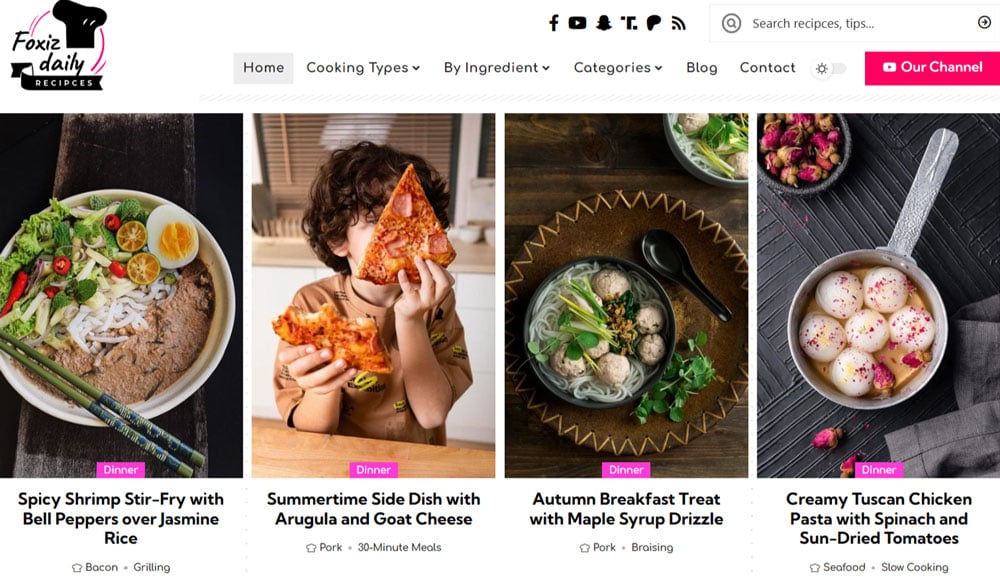
When it comes to what you can share on a food blog, there are no strict “rules” to follow, giving you the freedom to shape it however you like! Whether you’re excited to showcase your favorite vegan dishes, delve into recipes from beloved cookbooks, or blend culinary delights with lifestyle content, the possibilities are endless.
No matter what angle you choose for your blog, the tips and strategies presented here will be valuable and applicable to your journey.
How to Start a Food Blog?
1. Establish your food blog niche
Choosing a niche is one of the first big steps when starting a food blog and it matters more than you might think. Your niche is basically your blog’s identity. It helps people find you and know what makes your content different from everyone else’s.

Need some inspiration? Here are a few food blog niches that not only work well, but can also turn into serious income streams:
As you think about your niche, don’t be afraid to bring you into the mix. Your voice, your background, your taste. That’s what will make your blog stand out and keep people coming back for seconds.
2. Choose web host and a domain name
Before your first recipe ever gets published, you’ll need a home for your blog. That journey begins with choosing a reliable web host and a memorable domain name. These steps aren’t just technical details, they form the foundation of everything that follows.
Let’s talk domain names
Your domain is your blog’s unique identity. It’s how readers will find you, remember you, and hopefully share your site with others. Aim for a name that feels personal, ties into your niche, and is easy to say and type. If you’re diving into Italian cuisine, something like pastapassion.com or gourmetitalianbites.com could capture your flavor and voice.
A few quick domain tips:
If you’re feeling stuck, you can find these tools on domain registrars like GoDaddy, Namecheap, or Bluehost.
Now, let’s choose your web host
Your hosting provider is the foundation where your food blog will thrive. For food bloggers, especially those sharing high-quality images, videos, and rich recipes, choosing a fast and reliable hosting solution is essential.
There are countless providers out there, but if you’re just starting out, SiteGround is a strong choice. It offers an intuitive setup process that allows you to handle everything in one place, from purchasing your domain to installing WordPress.

If you’re not ready for WordPress yet, SiteGround also supports user-friendly site builders to help you go live quickly, with customizable templates that can reflect your food style.
Whether you’re sharing recipes or building a brand around your culinary voice, starting with the right host gives your food blog the stability and performance it needs to grow.
3. Choose Themes For Food Bloggers
Themes shape the look, feel, and functionality of your food blog. They’re more than just design; they’re the first impression your readers get. With thousands of WordPress themes available, both free and premium, the key is choosing one that aligns with your style, goals, and content needs.
If you’re just starting out, the WordPress Theme Repository is a great place to explore. It offers nearly 10,000 free themes, and you can filter them by layout, features, or niche to find a fit that suits your blog’s personality.

However, if you’re aiming for a more polished, professional look with built-in features tailored to content-heavy blogs, premium themes are worth considering. One standout option for food bloggers is the Foxiz Theme.
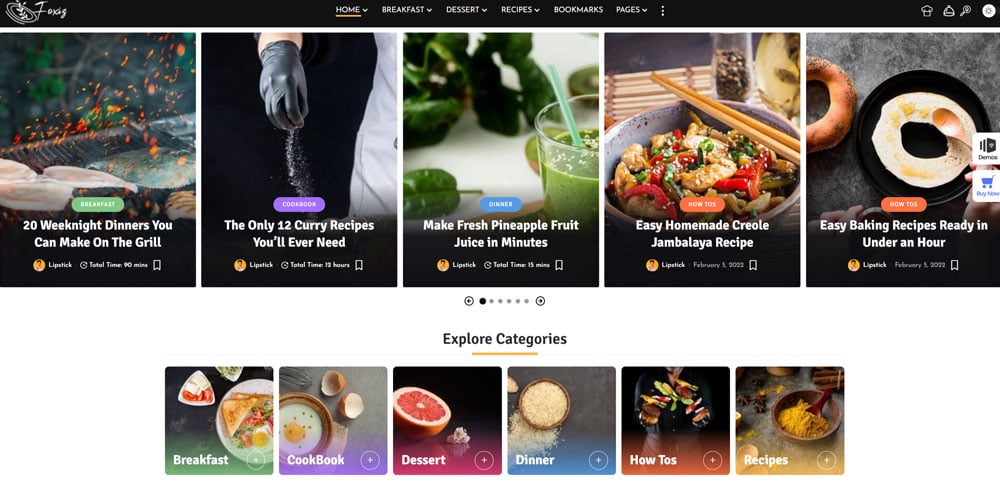
It’s fast, SEO-friendly, and optimized for media-rich content like recipes, photos, and videos. These are all essentials in the food blogging world. Plus, it offers flexible customization without needing to touch code, which makes it ideal whether you’re a beginner or looking to upgrade your existing blog.
4. Essential Plugin Integrations for Food Bloggers
Think of plugins like the secret ingredients that take your food blog from basic to brilliant. Just as apps expand what your smartphone can do, WordPress plugins add the features your site needs to thrive, especially in the kitchen of food blogging.
A Recipe Plugin
If there’s one plugin you absolutely need, it’s a recipe plugin. These tools help you present your recipes beautifully, in a way that’s both easy for readers to follow and optimized for search engines.

We recommend WP Recipe Maker. It’s modern, flexible, and built specifically for food creators. It supports rich snippets (great for SEO), offers built-in nutrition facts, and lets your readers jump straight to what they’re looking for, from ingredients to instructions. If you’re aiming for a professional food blog, this plugin is a no-brainer.
A Google Analytics Plugin
Tracking your blog is essential. Which recipes are getting the most love? Where is your traffic coming from? What kind of content keeps people coming back for seconds?
By connecting your site to Google Analytics, you can answer all of those questions and more. To make it easy, use a plugin like MonsterInsights, which lets you view your site’s analytics right from your WordPress dashboard because of no tech degree required.
An SEO Plugin That Helps You Get Found
Search Engine Optimization (SEO) might sound intimidating at first, but it’s simply about helping your blog get discovered by the right people, like someone searching for the perfect tiramisu recipe at 10 PM.
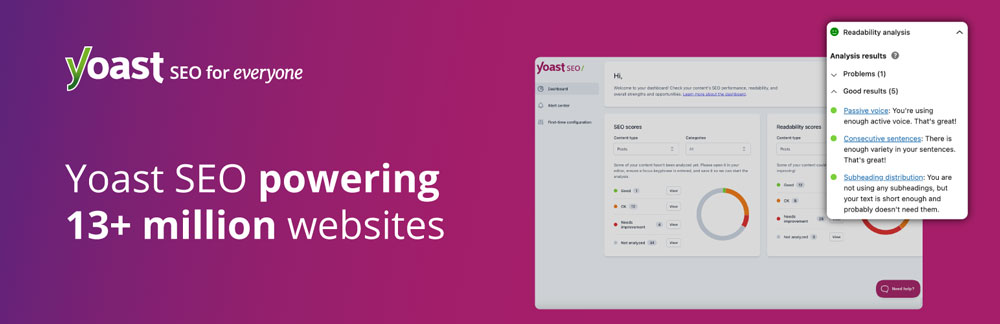
A plugin like Yoast SEO simplifies this process. It gives you real-time suggestions for improving your content, makes sure your metadata is spot-on, and helps your recipes show up beautifully on Google. It’s a small plugin with a big impact.
In addition to a recipe plugin, install a contact form plugin like Contact Form 7 to encourage engagement and boost your email marketing list. Meanwhile, Akismet is a great plugin choice for filtering spam comments.
5. Create high-quality content
High-quality content is a successful food blog. Whether sharing recipes or reviews, clarity is essential. For recipes, offer step-by-step instructions with exact measurements, cooking times, and helpful tips, always considering your audience’s skill level.
For food reviews, use descriptive language to share your dining experience. Describe the service, and, of course, the food. Mention the restaurant’s name, location, and price range to help readers decide. This is not only useful to your audience but also helps with SEO.
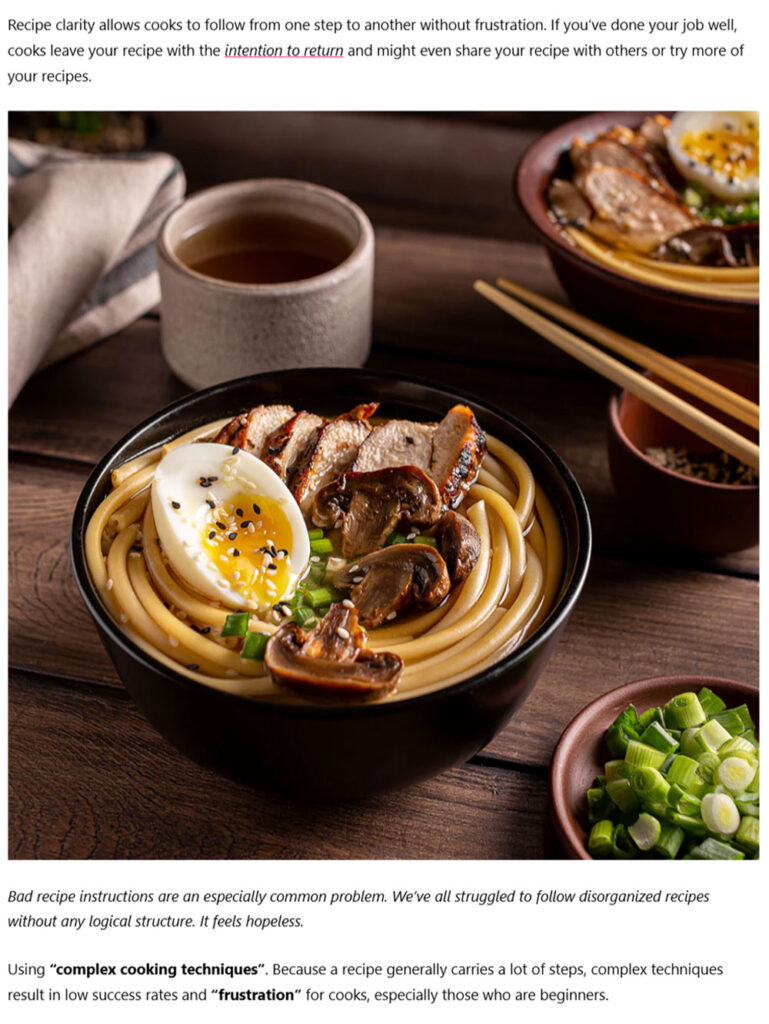
Many food bloggers also add a personal touch by weaving in stories. Make your readers feel as if they’re right there with you in the kitchen or dining out, creating a more relatable and authentic connection.
6. Monetize your food blog
When starting a food blog, it’s important to figure out how to make money from it. Because let’s be real, you can’t feed your passion without feeding your wallet, right? Here are some ways to turn your blog into a money-making machine:
Conclusion
So, you’ve reached the end of the journey and hopefully cleared up any questions along the way. In short, starting a food blog is incredibly rewarding if you love sharing your culinary adventures and of course, if you’re looking to earn from your passion too. What are you waiting for? Go building your delicious path in the world of food blogging. And don’t forget about us. Have a great day!